





The Short Answer:
If you’re hit by an uninsured driver in Massachusetts, seek medical attention, call the police, gather evidence, and notify your insurance company as soon as possible. You may be able to seek compensation through your own auto insurance policy or another liable party. A car accident lawyer from Jim Glaser Law can review your coverage, deal with the insurance company, and explain your legal options.
Key Takeaways
- Call 911 and seek medical treatment after the accident.
- Photograph the scene, collect witness information, and obtain a copy of the police report.
- Notify your insurance company promptly, but avoid giving a recorded statement before seeking legal advice.
- Your auto insurance policy may provide coverage after an accident with an uninsured driver.
- You may have other options if your insurance doesn’t cover all your losses.
- You can sue an uninsured driver, but collecting compensation may be difficult if the driver lacks assets.
- Massachusetts generally gives you 3 years to file a car accident lawsuit.
- Jim Glaser Law’s car accident attorneys can review your policy and help you pursue available compensation.
Table of Contents
- Steps to Take After Being Hit by a Driver Without Insurance
- What If My UM Insurance Doesn’t Cover My Expenses?
- Can I Sue an Uninsured Driver?
- How Does an Uninsured Motorist Claim Work?
- Common Mistakes To Avoid During an Uninsured Driver Claim
- How a Lawyer Can Help With an Uninsured Driver Claim
- FAQs: Accidents With Uninsured Drivers
- Get Help After an Accident With an Uninsured Driver
Steps to Take After Being Hit by a Driver Without Insurance
Massachusetts car insurance requirements dictate the minimum insurance a driver in Massachusetts must carry to remain within the law. Still, some people choose not to carry insurance, and this can be distressing when they cause an accident that injures you or your family. If you’ve been in an accident with an uninsured driver, taking the right steps immediately can help protect your rights and benefit you when seeking fair compensation.
A police report serves as official documentation of the incident, which is key when filing an uninsured motorist claim with your insurance company. If the uninsured driver was breaking any laws, such as driving with a suspended license or being under the influence, the officer may issue citations or make an arrest. This can further support your case by demonstrating negligence.
Avoid admitting fault or apologizing at the scene of the accident.
Even if you feel fine immediately after the crash, injuries from car accidents can sometimes appear hours or even days later. Seeking medical attention right away helps document your injuries. Your uninsured motorist coverage may pay for your medical bills, but your insurer will likely require medical records as evidence. If you need ongoing treatment or long-term care, your settlement amount should reflect those future expenses.
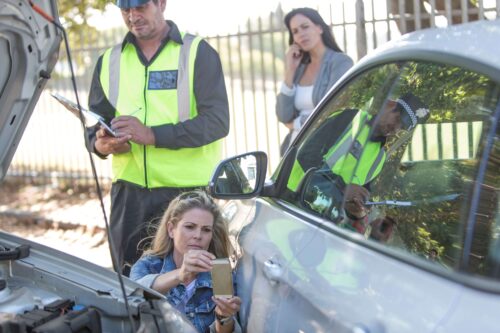
Since the at-fault driver has no insurance to cover your losses, collecting strong evidence at the scene is even more important for your uninsured motorist claim. If you’re able to do so safely, try to gather the following:
- Photos & Videos: Take pictures of vehicle damage, skid marks, debris, traffic signs, and any visible injuries.
- Witness Statements: If there were any bystanders who saw the accident, ask for their contact information and statements. Witnesses can help prove the uninsured driver caused the crash.
- Driver’s Information: Even though they don’t have insurance, get the driver’s name, license plate number, and vehicle details. If they refuse to provide information, the police report will be especially important.
- Traffic & Security Cameras: If the accident occurred near a business or at an intersection, ask if there are security cameras that may have captured footage of the crash.
When speaking to your insurer:
- Stick to the facts and avoid speculating about fault.
- Do not agree to a recorded statement without legal advice.
- Keep records of all communication with your insurance company.
- Ask your adjuster about policy limits to understand how much coverage you have.
Your insurer may try to reduce your payout or delay your claim, which is why having an attorney involved early on can help maximize your compensation.
Filing a claim under uninsured motorist coverage can sometimes be just as challenging as dealing with another driver’s insurance. Your own insurance company may try to minimize what they owe you, offer a low settlement, or deny parts of your claim.
A lawyer can help by:
- Reviewing your policy to ensure you get the full amount of UM coverage you may be entitled to.
- Negotiating with your insurer if they undervalue or deny your claim.
- Exploring additional legal options, such as suing the uninsured driver or determining whether a third party (e.g., a vehicle manufacturer or government agency responsible for road maintenance) shares liability.
- Filing a personal injury lawsuit if necessary to recover compensation beyond insurance limits.
If you were injured in an accident caused by an uninsured driver, working with an attorney can make the difference in getting fair compensation for your losses.
What If My UM Insurance Doesn’t Cover My Expenses?
If your UM coverage is not enough to cover your medical bills, lost wages, or other damages, you may have additional options:
- Health insurance may help cover medical costs.
- Underinsured motorist coverage, if included in your policy, may provide additional compensation.
- A personal injury lawsuit may be an option if another party, such as a vehicle manufacturer or government entity, contributed to the accident.
Can I Sue an Uninsured Driver?
Yes, you can file a lawsuit against an uninsured driver, but collecting compensation may be difficult if they do not have the financial resources to pay for damages. Since drivers who lack insurance often do so because they cannot afford it, they may not have the funds to pay out a settlement even if you win your case. A lawyer can help determine whether a lawsuit is a viable option and explore alternative sources of compensation.
How Does an Uninsured Motorist Claim Work?
After an accident with an uninsured driver, you may need to seek compensation through your own auto insurance policy. Although you’re dealing with your insurer, the company may still investigate fault, review your medical records, and question the value of your losses.
The general claims process may include:
- Reporting the accident to your insurance company
- Providing the police report and evidence from the scene
- Documenting your injuries, treatment, lost income, and other losses
- Confirming that the at-fault driver did not have insurance
- Reviewing and responding to a settlement offer
- Challenging a denied or undervalued claim when necessary
Follow all notice requirements in your policy. Waiting too long to report the accident or provide requested documents could make the claim more difficult.
Evidence That Can Support Your Claim
Your insurance company won’t automatically pay the full value of your claim. You may need evidence showing how the accident happened, who caused it, and how it affected your life.
Helpful evidence may include:
- The police accident report
- Photos and videos from the scene
- Witness contact information and statements
- Medical records and bills
- Proof of missed work and lost income
- Vehicle repair estimates
- Receipts for accident-related expenses
- Copies of emails and letters from the insurance company
- Notes about your symptoms and recovery
Save this information in one place and avoid discarding damaged property or other evidence until your claim has been resolved.
Common Mistakes To Avoid During an Uninsured Driver Claim
Actions taken after an accident can affect your ability to recover compensation. Try to avoid:
- Delaying medical treatment
- Failing to report the accident promptly
- Admitting fault or apologizing at the scene
- Giving a recorded statement without legal advice
- Posting about the accident or your injuries on social media
- Accepting an early settlement before knowing the extent of your losses
- Signing a release without reviewing its effect
- Ignoring deadlines or requests from the insurance company
An early settlement may not account for future treatment, ongoing symptoms, or additional time away from work. Be sure to consult with our attorneys before making a decision on your claim.
How a Lawyer Can Help With an Uninsured Driver Claim
Our team can review your policy, investigate the accident, and calculate the losses connected to your injuries. We can also communicate with the insurance company, submit supporting evidence, negotiate a settlement, and respond if the insurer delays, undervalues, or denies the claim.
If insurance coverage doesn’t address all your losses, we can investigate whether another person or entity may share responsibility. This review can help you make informed decisions before accepting a settlement or signing away your rights.
FAQs: Accidents With Uninsured Drivers
Call 911 and report the hit-and-run immediately. Write down everything you remember about the vehicle, including its color, make, model, license plate number, and direction of travel. You should also photograph the scene, speak with witnesses, and check whether nearby businesses or homes have security cameras. Notify your insurance company as soon as possible because your policy may cover injuries caused by an unidentified driver.
An accident doesn’t automatically mean your rates will increase. The effect on your premium may depend on who caused the accident, your claims history, your insurance company, and the terms of your policy. Ask your insurer how the claim may affect your coverage, and keep records of all communications.
Depending on your policy and the facts of the accident, compensation may be available for:
- Medical bills
- Lost income
- Reduced earning ability
- Future medical care
- Pain and suffering
- Other accident-related losses
The amount available will depend on factors such as the severity of your injuries, your insurance limits, and whether another party shares responsibility. For a more comprehensive idea of what compensation you may be able to recover, get your free case review from Jim Glaser Law.
Your insurance company may deny or limit a claim if it disputes fault, questions whether the other driver was uninsured, challenges the extent of your injuries, or claims you didn’t meet a policy requirement. A denial isn’t always the final decision. A lawyer can examine your policy, review the insurer’s explanation, and challenge an improper denial.
In Massachusetts, you generally have 3 years from the date of a car accident to file a personal injury lawsuit. Different deadlines or policy requirements may apply to an insurance claim, so you should notify your insurer and speak with a lawyer as soon as possible. Missing an applicable deadline could prevent you from recovering compensation.
Get Help After an Accident With an Uninsured Driver
An uninsured driver can leave you dealing with medical expenses, missed work, and uncertainty about who will pay for your losses. Jim Glaser Law can review your insurance policy, identify potential sources of compensation, and handle communications with the insurance company on your behalf.
Your consultation is free, and you pay no attorney fees unless compensation is recovered for you. Contact us today to discuss your accident and legal options with a Massachusetts car accident lawyer.